

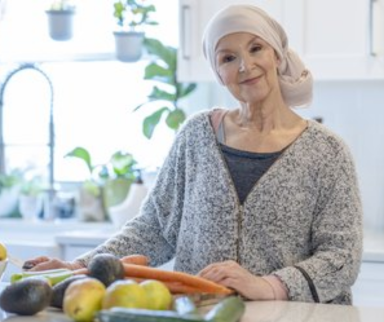
Expert Tips on Eating Well During Chemotherapy
Suzanne Dixon, MPH, MS, RDN answers frequently asked questions about eating during chemotherapy treatment.

Suzanne Dixon, MPH, MS, RDN answers frequently asked questions about eating during chemotherapy treatment.
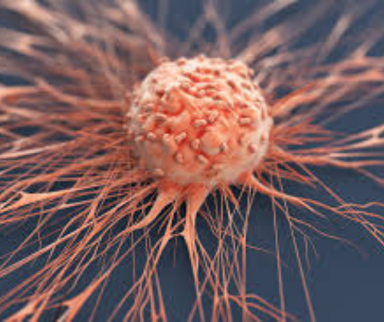
A team led by researchers at Baylor College of Medicine is coming closer to delivering on the promise of personalized breast cancer therapy with a strategy to predict the most likely response of a cancer to a specific less toxic treatment regimen.

Women should start getting regular mammograms at the age of 40, according to a new recommendation being drafted by the U.S. Preventive Services Task Force.

Cancer therapies associated with cardiotoxicity risk including anthracyclines and HER2-targeted agents remain important cornerstones of curative and life-prolonging breast cancer treatment.

Chemotherapy brain fog (chemo brain) happens when coping with cancer or cancer treatment affects your ability to remember and act on information. Usually, chemotherapy brain fog is a short-term issue, but some people may have symptoms for months after they’ve finished treatment.

When a loved one has cancer, the stress can be intense and may affect the whole family.
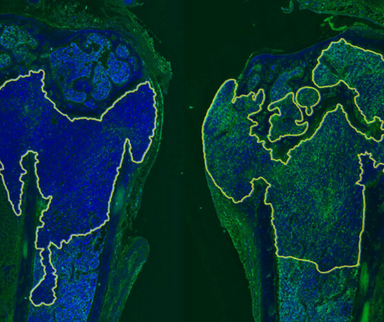
Metastatic breast cancer has no cure and has proven stubbornly resistant to one of the most innovative and promising new cancer treatments: immunotherapy.

Many patients experience “chemobrain” — mental clouding or fogginess — during and after cancer treatment.

The FDA has approved Orserdu, a new oral medicine to treat metastatic, estrogen receptor-positive, HER2-negative breast cancer with an ESR1 mutation.

A little over two years ago, I was hunting in the kitchen for a measuring cup. Disoriented, I began to search in the cupboard where I keep plates and bowls (clearly the wrong place for measuring cups). I’m not crazy after all. I was making Funfetti pancakes…