

Survivorship
What Is Survivorship?
Survivorship isn’t a single moment — it starts the day you’re diagnosed and continues for the rest of your life. It includes the years of active treatment, the transition afterward, and every year that follows.
Living as a survivor can touch every part of life: your physical health, your emotional well-being, your relationships with family and friends, your finances, and your ongoing medical care. For some, survivorship means adjusting to a new normal after treatment ends. For others, it means managing breast cancer as a long-term or recurring part of life. However it looks for you, survivorship is about more than the disease — it’s about your quality of life, now and going forward.
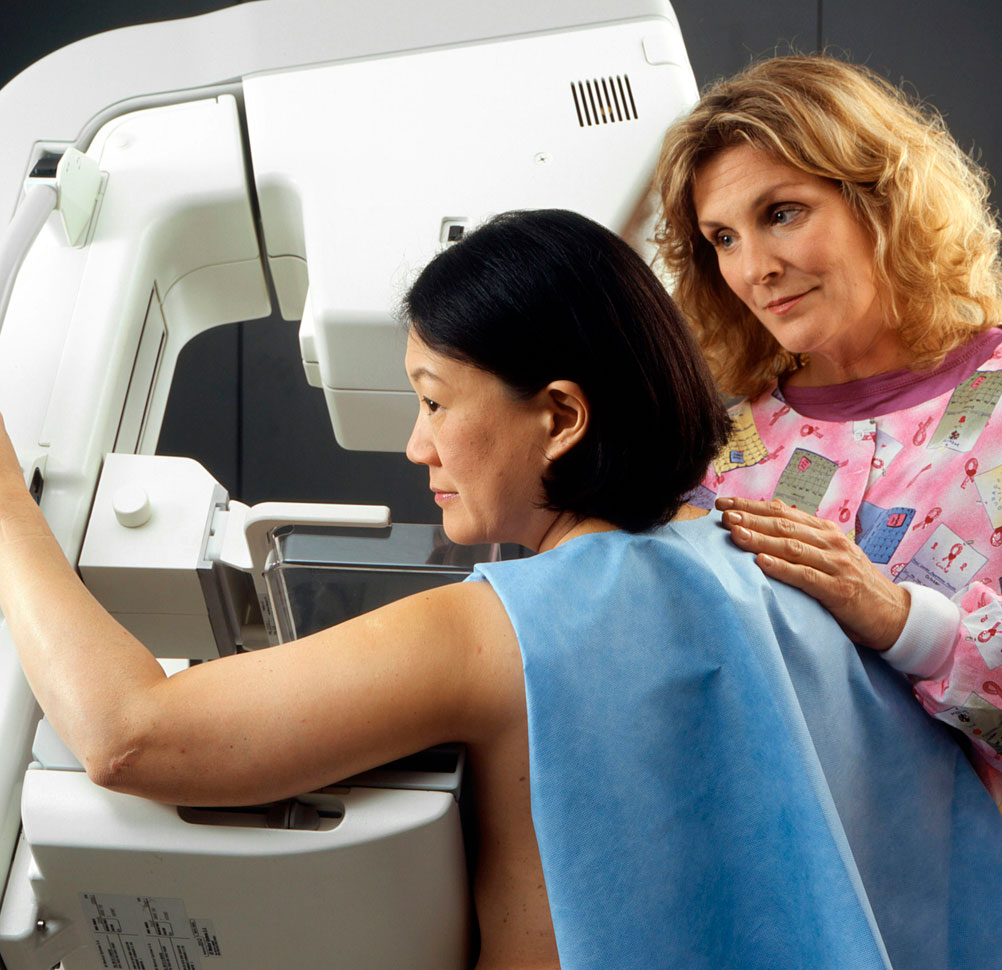
Coping with Scan Anxiety and Fear of Recurrence
Many survivors describe a specific kind of worry that shows up around follow-up scans and checkups — sometimes called “scan anxiety” or “scanxiety.” It’s common to feel this way in the days leading up to an appointment, or anytime a new ache or symptom brings up fear that the cancer has come back.
Fear of recurrence doesn’t mean something is wrong — it’s a normal response to having faced a serious diagnosis. Talking with others who understand this feeling, whether through a support group or a trusted friend or family member, can help. If anxiety around scans or checkups is affecting your daily life, it’s worth mentioning to your doctor or a mental health professional.
The Role of Therapy and Counseling
Therapy can be a valuable tool for survivors working through the emotional side of a breast cancer diagnosis — whether that’s anxiety, grief, changes in identity or body image, or the stress of ongoing follow-up care. Many survivors find that talking with a licensed therapist or counselor helps them process what they’ve been through and adjust to life after treatment.
Staying Connected After Treatment
Survivorship doesn’t mean going it alone. Many people find that staying connected to a community of others who understand the experience — during treatment and long after — makes a real difference.

Positively Living Support Group
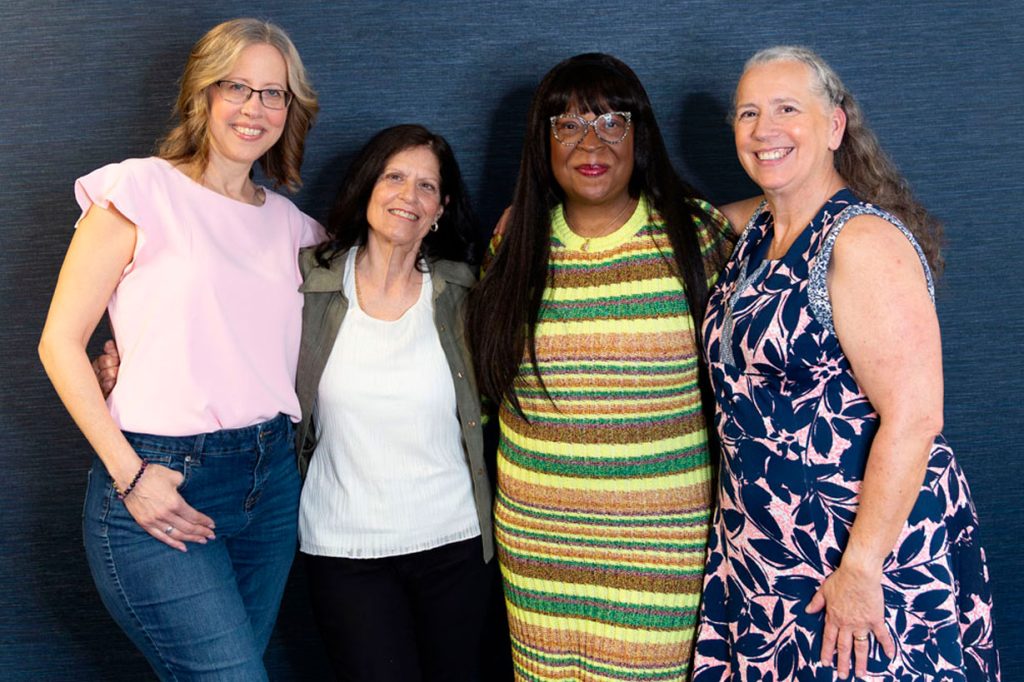
A group focused on the emotional and mental adjustment that continues after a breast cancer diagnosis.
Volunteering
Some survivors find meaning in giving back — volunteering at To Life! is one way to stay connected to the community.
Peer Mentoring
Connect one-on-one with a survivor who has been through a similar experience.
Sharing Your Story
Many survivors find it meaningful to share their experience — whether that’s talking with someone newly diagnosed, contributing to a To Life! event, or simply telling their story to others navigating their own journey. If you’re interested in sharing your story, reach out to us to talk about the options available.