


Vitamin D and Breast Cancer Survival: What You Should Know
Researchers say higher vitamin D levels may help improve a person’s odds of surviving breast cancer.
Researchers say higher vitamin D levels may help improve a person’s odds of surviving breast cancer.

New research has revealed that a one-year course of a drug called a PARP inhibitor can help to reduce the risk of breast cancer recurrence, and progression to secondary breast cancer, in people with early breast cancer with a change in the BRCA gene.
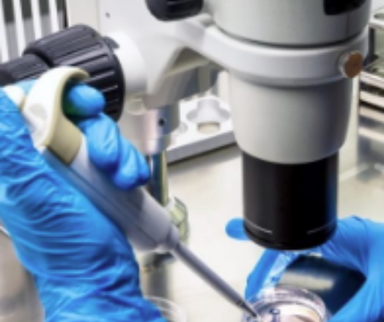
The targeted therapy Ibrance (chemical name: palbociclib) combined with the hormonal therapy Faslodex (chemical name: fulvestrant) continued to offer better overall survival than Faslodex alone for advanced-stage, hormone-receptor-positive, HER2-negative breast cancer after more than 6 years of follow-up, according to the latest results from the PALOMA-3 trial.

All people (regardless of their sex assigned at birth) have breast tissue and could potentially get breast cancer, but the risk is much higher in people who were AFAB (assigned female at birth).

Talking often with the health care team is important to make informed decisions about your health care. These suggested questions are a starting point to help you learn more about your cancer care and treatment. You are also encouraged to ask additional questions that are important to you.
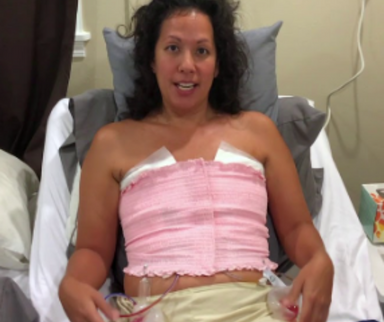
Blog article for breast cancer survivors about deciding whether to have breast reconstruction or not.

Blog article about breast cancer, lymph nodes and cancer staging.
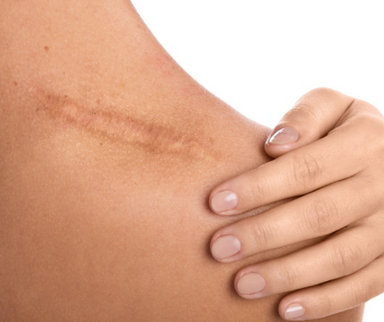
Blog article about research related to scar tissue.

Many moms want to breastfeed after undergoing breast cancer treatment, and while it may present a few challenges, it’s certainly possible.
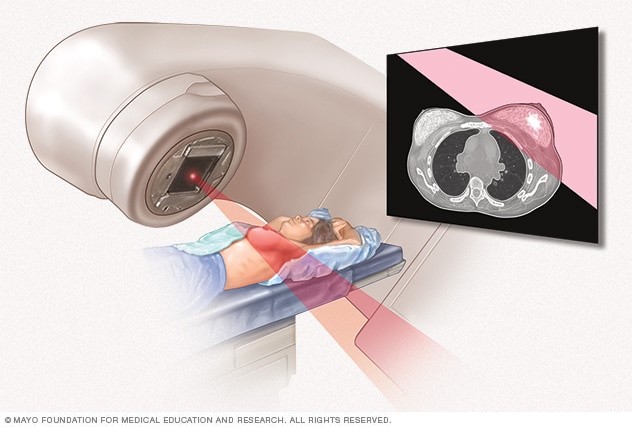
Blog article about radiation therapy for breast cancer.