


Supplements Don’t Prevent Cancer, Studies Show
Fred Hutch research finds some supplements offer little benefit, some may increase cancer risk and some can interfere with treatment.
Fred Hutch research finds some supplements offer little benefit, some may increase cancer risk and some can interfere with treatment.

Breast cancer affects all women, but black women face unique challenges and may face unequal care. Despite advancements in cancer care,
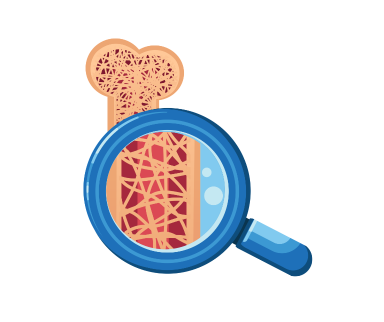
Doctors commonly recommend certain lifestyle changes and medicine to treat osteoporosis and osteopenia.
Addiction (also called substance use disorder) can occur in people who are diagnosed with breast cancer if they become dependent on a medicine used to help with the side effects of cancer or its treatment — such as pain, anxiety, or difficulty sleeping (insomnia).

There are many different potential side effects of breast cancer treatment. Lymphedema is one of them.

While pain is not a common side effect of chemotherapy, a person may experience pain during or after chemotherapy delivery.

Every day, people are exposed to a variety of synthetic chemicals through the products they use or the food they eat. For many of these chemicals, the health effects are unknown.

Talking often with the health care team is important to make informed decisions about your health care. These suggested questions are a starting point to help you learn more about your cancer care and treatment. You are also encouraged to ask additional questions that are important to you.
Blog article about obesity and breast cancer.

Blog article about side effects to black women in using certain haircare products with chemicals.