


Believe – A Personal Story
Believe. This word became important to me during my breast cancer treatment, perhaps because it was the holiday season and I am always a sucker for Santa Claus.
Believe. This word became important to me during my breast cancer treatment, perhaps because it was the holiday season and I am always a sucker for Santa Claus.
About half of all women have dense breasts, which can increase the risk of breast cancer and may make cancer harder to find on a mammogram.
What is breast density and why is it important? How does a woman know if she has dense breasts? Can she tell on her own? Is having dense breast tissue a risk factor for breast cancer?

It’s a long-standing myth that breast cancer only affects older women. And it’s not hard to see why, considering the fact that the median age at the time of breast cancer diagnosis is 62 and a very small number of women are diagnosed at a young age.

As more young women are diagnosed with breast cancer, they may also face unique challenges.

Breakthroughs in treatment and support are helping more people manage MBC for years.
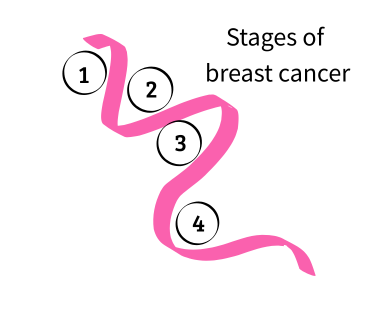
Once a person is determined to have a malignant tumor or the diagnosis of breast cancer, tests are done to find out if cancer cells have spread within the breast or to other parts of the body.
Hearing you or a loved one has stage 3 breast cancer can lead to many questions — about diagnosis, survival, treatments, and more.
Blog article about Breast Cancer Staging.

Talking often with the health care team is important to make informed decisions about your health care. These suggested questions are a starting point to help you learn more about your cancer care and treatment. You are also encouraged to ask additional questions that are important to you.